
It Starts in the Caucasus — Around 6000 BC
Long before sommeliers, there were clay pots. The earliest hard evidence of winemaking comes from what’s now Georgia and Armenia, around 6000 BC, where wine fermented in huge earthenware vessels called qvevri — a method Georgian winemakers still use today. The ancient Armenians even left us a full winery in the Areni-1 cave, complete with a wine press and fermentation jars. Wine wasn’t a luxury yet; it was safer than water and far more fun.
Greece and Rome Put It in Amphorae
The Greeks turned wine into culture — symposiums, poetry, gods with strong opinions about vintages. The Romans turned it into logistics, planting vineyards everywhere their legions marched: France, Spain, Germany, Britain. They shipped it all in amphorae, tall clay jars sealed with pine resin (an acquired taste). When the empire fell, the vines stayed. Rome’s greatest legacy might be a glass of Burgundy.
Monks Save the Vineyard — The Middle Ages
While Europe reorganized itself, monasteries kept winemaking alive and — crucially — wrote everything down. Monks in Burgundy mapped which slopes ripened best, an early form of the terroir obsession. They refined pruning, harvest timing, and cellaring, turning winemaking from folk habit into a craft. Your favorite Pinot Noir owes a debt to a very patient monk.
Champagne: History’s Happiest Accident
The legend says the monk Dom Pérignon tasted sparkling wine and cried, “Come quickly, I am tasting the stars!” He probably didn’t — but the 1600s and 1700s did perfect the method. Stronger English glass bottles and tight corks finally contained the fizz, and the méthode champenoise was born: a second fermentation right in the bottle. Widows like Veuve Clicquot turned it into an empire. Bubbles went from winemaking flaw to the sound of celebration.
Why 750ml? Honestly, Nobody’s Sure
The standard bottle’s origin is a pub argument with three favorite theories. Theory one: it’s about what a glassblower could blow in one breath — lung capacity as a unit of measurement. Theory two: it was a vineyard worker’s daily ration. Theory three: it was simply practical for trade and fit the old casks neatly. All are charming; none is proven. What’s certain is that by the 1800s the 750ml bottle had conquered the world — and every size on this site is measured against it.
Phylloxera: The Great Vine Apocalypse
In the late 1800s, a tiny American aphid called phylloxera hitched a ride to Europe and ate the roots of nearly every vineyard on the continent. Wine regions faced ruin — until growers discovered the fix: graft European vines onto resistant American rootstock. It worked so well that almost every fine-wine vine alive today grows on American roots. Crisis averted, with a transatlantic twist.
Today: Natural Wine and the Big-Bottle Renaissance
The modern era is deliciously contradictory. On one side, the natural-wine movement — minimal intervention, wild yeasts, cloudy pours, orange wines — has made wine playful and punk again. On the other, collectors pay fortunes for large-format bottles that age more gracefully than standard ones. From amphorae to qvevri-inspired pét-nats to 30-litre Melchizedeks, wine keeps doing what it’s always done: adapting, surviving, and giving us something to toast.
Toast to That
🍷 Wine is older than the wheel’s paperwork. Winemaking predates written language, the pyramids, and just about every institution except agriculture itself. Every bottle you open continues an 8,000-year-old experiment.
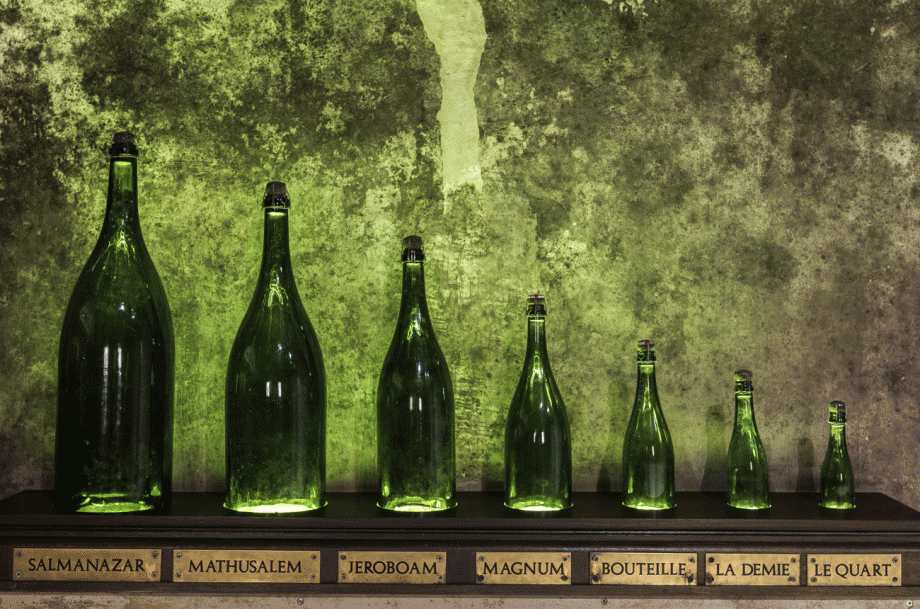
🍾 And the bottle names? The giant formats named after kings — Jeroboam, Nebuchadnezzar, Melchizedek — are a much newer tradition, born in Champagne’s age of celebration. History, meet showmanship.