
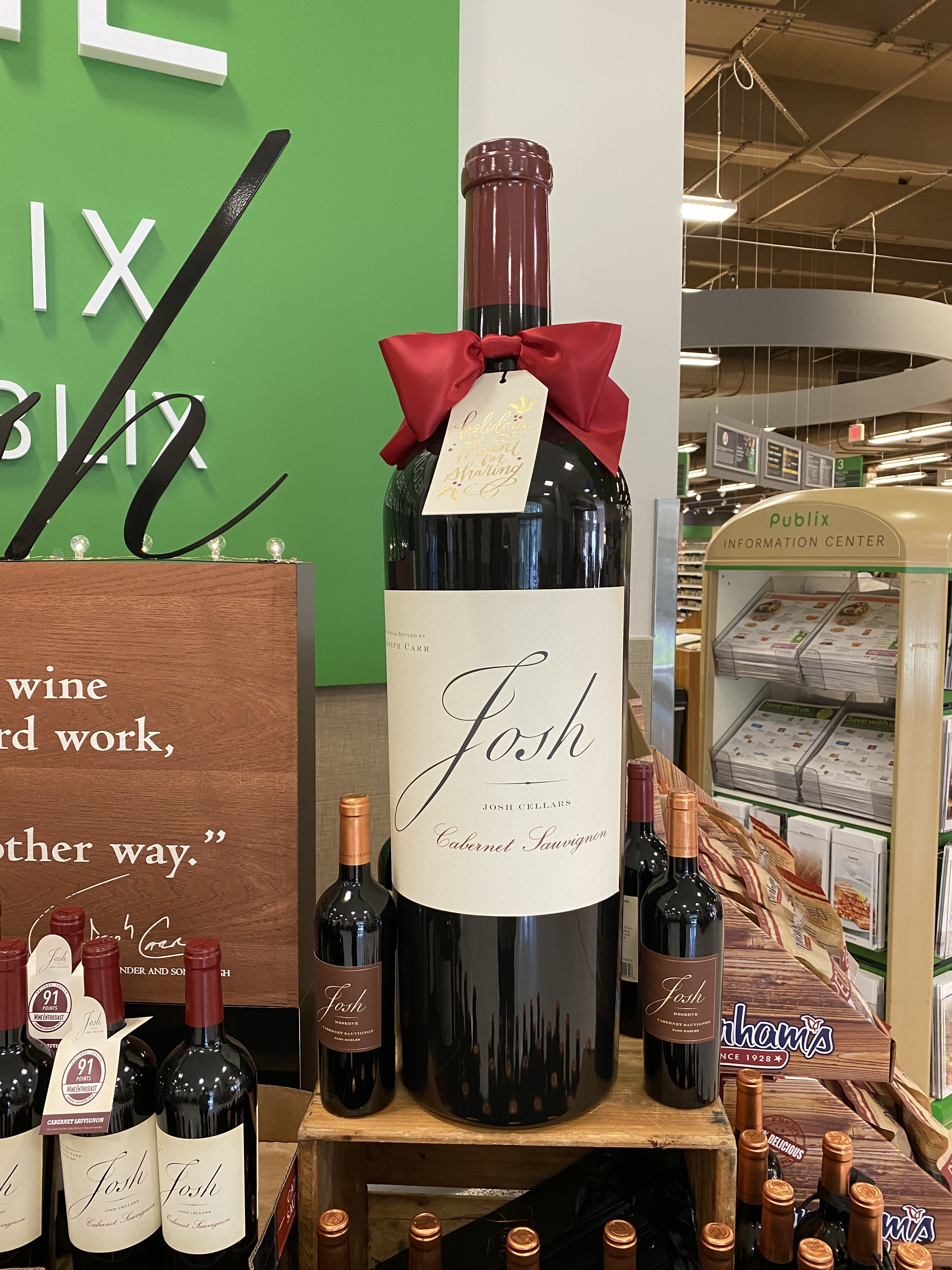
Photo: Phillip Pessar, CC BY 2.0, via Wikimedia Commons (rotated from original)
🍷 Two names, one giant: Melchizedek is the aka of the Midas — same 30L giant, see also: Midas.
Meet the Midas
Meet the Midas
A Journey Through Glass
The Melchizedek Wine Bottle: A Symbol of Grandeur in the World of Champagne In the opulent world of wine and Champagne, bottle size can be as much a statement as the vintage it contains. Among the pantheon of large-format bottles, the Melchizedek, also known as the Midas, stands as a titan. Holding an astonishing 30 liters of wine—the equivalent of 40 standard bottles—the Melchizedek is not merely a vessel but a celebration of luxury, rarity, and spectacle. Origins and Naming Conventions The name "Melchizedek" is derived from a mysterious figure in the Hebrew Bible: Melchizedek, the king of Salem and priest of the Most High God, who is known for blessing Abraham and offering bread and wine. In the tradition of naming oversized wine bottles after biblical kings and patriarchs, the Melchizedek sits atop the hierarchy. This naming convention, which includes Methuselah (6L), Salmanazar (9L), Nebuchadnezzar (15L), and Melchior (18L), imbues each bottle with a sense of gravitas and reverence. The Melchizedek, as the largest, carries an almost mythic status. Physical Attributes and Craftsmanship The Melchizedek bottle is as imposing physically as it is symbolically. It can measure nearly four feet tall and weigh over 100 pounds when full. Constructed from thick, pressure-resistant glass, it is designed to safely contain carbonated wines like Champagne without risk of explosion. Due to its sheer size and weight, both storage and service require careful planning. Specialized cradles, hoists, and multiple handlers are often needed to pour from a Melchizedek bottle effectively. Usage and Appeal In practice, the Melchizedek bottle is used sparingly due to its impracticality. Its primary domain is in the realm of grand celebrations, marketing spectacles, and luxury nightlife experiences. High-end Champagne houses such as Armand de Brignac (Ace of Spades) and Luc Belaire have bottled Champagne in Melchizedek formats, typically for limited releases or promotional events. Nightclubs, celebrity parties, and Formula 1 podiums are some of the rare occasions where a Melchizedek might appear, often as a centerpiece of excess and glamour. From a technical standpoint, wine experts note that large-format bottles offer better aging potential due to a lower oxygen-to-wine ratio. However, in the case of a 30-liter bottle, the benefits diminish because the wine may not receive uniform aging, and handling issues can affect quality. Thus, the Melchizedek is more a showpiece than a practical aging vessel. Cultural Significance The Melchizedek bottle has become emblematic of luxury culture. It is not a standard product seen in wine cellars or even fine-dining establishments; rather, it serves as a symbol of wealth and extravagance. Social media and pop culture have further elevated its status. Images of celebrities popping open massive Champagne bottles in exclusive clubs serve to amplify the Melchizedek’s aura as a trophy item. The bottle also serves as a marketing tool. Champagne brands that produce Melchizedek formats position themselves as elite and exclusive, inviting both awe and aspiration. In this way, the bottle becomes part of a broader narrative about experience, opulence, and status. Conclusion The Melchizedek wine bottle is a marvel of scale and spectacle, transcending its function as a wine container to become a cultural icon. While impractical for everyday use or even most formal occasions, its presence commands attention and signifies an event of extraordinary significance. Rooted in biblical tradition and elevated by modern luxury culture, the Melchizedek bottle is the ultimate expression of Champagne’s celebratory spirit—a rare and unforgettable sight in the world of wine.tles lining today’s shelves, the evolution of wine bottle shapes tells a compelling story of craftsmanship, commerce, and culture. As wine continues to evolve, so too will the bottles — always balancing form, function, and the timeless desire to preserve and share something truly special.
------------- The Melchizedek wine bottle, also known as a Midas, is the largest standard wine bottle size used primarily for Champagne and sparkling wines. It holds a whopping 30 liters (8 US gallons) of wine, which is equivalent to: 40 standard (750ml) bottles 200 glasses of wine (approx.) Origin of the Name The name "Melchizedek" comes from a biblical figure — Melchizedek, the king of Salem and priest of God Most High — who appears in the Book of Genesis. Wine bottle sizes beyond a magnum (1.5L) are often named after biblical kings, including: Jeroboam (3L or 4.5L depending on region) Rehoboam (4.5L) Methuselah (6L) Salmanazar (9L) Nebuchadnezzar (15L) Melchior (18L) Melchizedek (30L) — the ultimate. Characteristics Height & Weight: A full Melchizedek bottle can weigh over 100 pounds (45 kg) and stand nearly 4 feet (1.2 meters) tall. Material & Crafting: These bottles are often custom-made from thick glass to withstand the pressure of carbonation in sparkling wine. Cost: Extremely high due to rarity, presentation, and volume. A single Melchizedek bottle of premium Champagne can cost tens of thousands of dollars. Presentation: Often used in celebratory settings such as Formula 1 podiums, ultra-luxury parties, or nightclubs. Notable Producers Some Champagne houses have been known to bottle Melchizedek-size formats, such as: Champagne Drappier Armand de Brignac (Ace of Spades) Luc Belaire Practicality While impressive, Melchizedek bottles are more symbolic and theatrical than practical. They are: Difficult to store and serve Require several people to pour safely Have less ideal aging conditions due to volume-to-surface-area ratio, which can affect quality over time if not stored properlyGiant-Bottle Cheat Sheet: Melchizedek
- Volume: 30 liters
- Standard-bottle equivalent: 40 bottles (750ml)
- Approx. glasses: ~200–240 (5oz pours)
- Weight (full): ~100+ lbs — over 45 kg of liquid luxury
- Handling: Needs a team (or a cradle/hoist) to pour safely. Do not attempt solo heroics.