
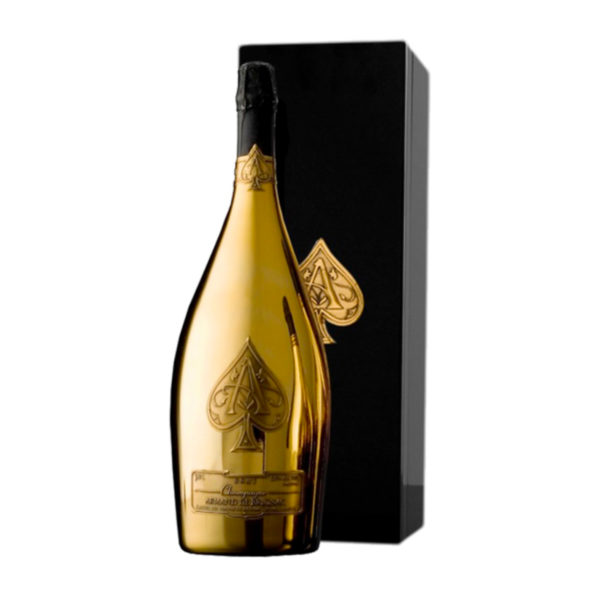
🍷 Two names, one giant: Midas is the aka of the Melchizedek — same 30L giant, see also: Melchizedek.
Meet the Melchizedek
Meet the Melchizedek
A Journey Through Glass
Here are Midas wine bottle facts — also known as the Melchizedek bottle — that highlight its size, usage, and cultural impact: 🏷 Basic Facts Also called: Melchizedek Volume: 30 liters (about 8 US gallons) Equivalent: 40 standard (750ml) bottles of wine or Champagne Height: Approximately 4 feet (1.2 meters) Weight (full): Over 100 pounds (45 kg) 🍾 Wine Types Primarily used for Champagne and other sparkling wines Rarely used for still wines due to handling complexity 📜 Origin of the Name Named after Melchizedek, a biblical king and priest mentioned in the Book of Genesis "Midas" is an alternative name referencing King Midas, symbolizing wealth and opulence 💰 Cost and Rarity Extremely rare; typically custom-produced A single Midas bottle of luxury Champagne can cost $20,000–$200,000+ Brands like Armand de Brignac, Luc Belaire, and Drappier have produced them 🎉 Where It’s Used Ultra-luxury nightclubs Celebrity parties Formula 1 celebrations Marketing stunts and brand promotions Not practical for everyday or even most fine dining use ⚠️ Handling Challenges Requires multiple people or machinery to pour Not ideal for wine aging — the wine may develop unevenly due to the large volume Storage and transport are logistically difficult 📸 Cultural Symbol Seen in viral social media videos and luxury branding Associated with wealth, exclusivity, and showmanship A status symbol more than a functional wine vessel ------ The Midas Wine Bottle: A Monument to Celebration and Extravagance In the realm of wine and Champagne, few objects embody extravagance and grandeur as dramatically as the Midas wine bottle. Also known as the Melchizedek, this monumental bottle holds 30 liters of wine—equivalent to 40 standard bottles—and stands as the largest commercially available wine bottle format. With its immense size, rare usage, and unmistakable symbolism, the Midas bottle transcends its role as a wine container to become a cultural and celebratory icon. Origins and Naming The bottle’s alternative name, Melchizedek, stems from a biblical figure mentioned in the Book of Genesis—a king and priest known for his wisdom and ceremonial offering of bread and wine. Yet the name Midas, referencing the mythological king who turned everything he touched into gold, is equally fitting. It captures the bottle’s association with luxury, exclusivity, and excess. Whether it is referred to as Midas or Melchizedek, the bottle conveys a clear message: this is wine on a monumental scale, intended not for mere consumption, but for spectacle. Physical and Practical Characteristics The Midas bottle is not just notable for its volume, but for the challenges it presents. Standing about 1.2 meters tall and weighing over 100 pounds when full, it requires specialized handling. Pouring wine from such a container is a logistical feat, often needing multiple people or even mechanical assistance. Its thick glass is specially manufactured to endure the pressure of sparkling wines like Champagne, making the bottle more durable than most. Due to its size, the Midas bottle is generally produced on request and in limited quantities. Some Champagne houses, including Armand de Brignac, Luc Belaire, and Drappier, have released bottles in this format as part of high-profile promotions or celebrations. These releases are often accompanied by fanfare, social media coverage, and a price tag that can exceed $100,000. Symbolism and Cultural Significance The Midas wine bottle is far more than a vessel for wine—it is a status symbol. It is most commonly seen in contexts that demand attention: exclusive nightclubs, celebrity parties, Formula 1 victory celebrations, and luxury brand promotions. In such settings, the presence of a Midas bottle signals wealth, success, and a desire to commemorate a moment in a visually stunning and unforgettable way. While its impracticality limits everyday use, this is precisely what makes the Midas bottle so alluring. It represents the unattainable, the extraordinary, and the once-in-a-lifetime celebration. Just as King Midas’s golden touch was a metaphor for lavishness and desire, the Midas bottle embodies the idea of living large. Limitations and Criticisms Despite its impressive appearance, the Midas bottle is not without criticism. Wine experts often note that its size does not necessarily benefit wine quality. The ideal aging conditions provided by some large-format bottles are diminished at this extreme volume, as oxygen exposure and wine maturation can become uneven. Furthermore, due to its massive size, a Midas bottle is often opened and consumed in uncontrolled environments, where the wine is enjoyed more for the event than for its nuanced flavors. Conclusion The Midas wine bottle is a striking example of how form, function, and symbolism converge in the world of wine. Though rarely used and difficult to manage, it captivates the imagination and commands attention wherever it appears. It is not a bottle designed for everyday enjoyment but rather for the exceptional occasion—a towering tribute to the art of celebration. In a world where experiences often matter more than objects, the Midas bottle delivers both in the most extravagant form imaginable.
Giant-Bottle Cheat Sheet: Midas
- Volume: 30 liters
- Standard-bottle equivalent: 40 bottles (750ml)
- Approx. glasses: ~200–240 (5oz pours)
- Weight (full): ~100+ lbs — over 45 kg of liquid gold
- Handling: Needs a team (or a cradle/hoist) to pour safely. Everything it touches turns to party.