
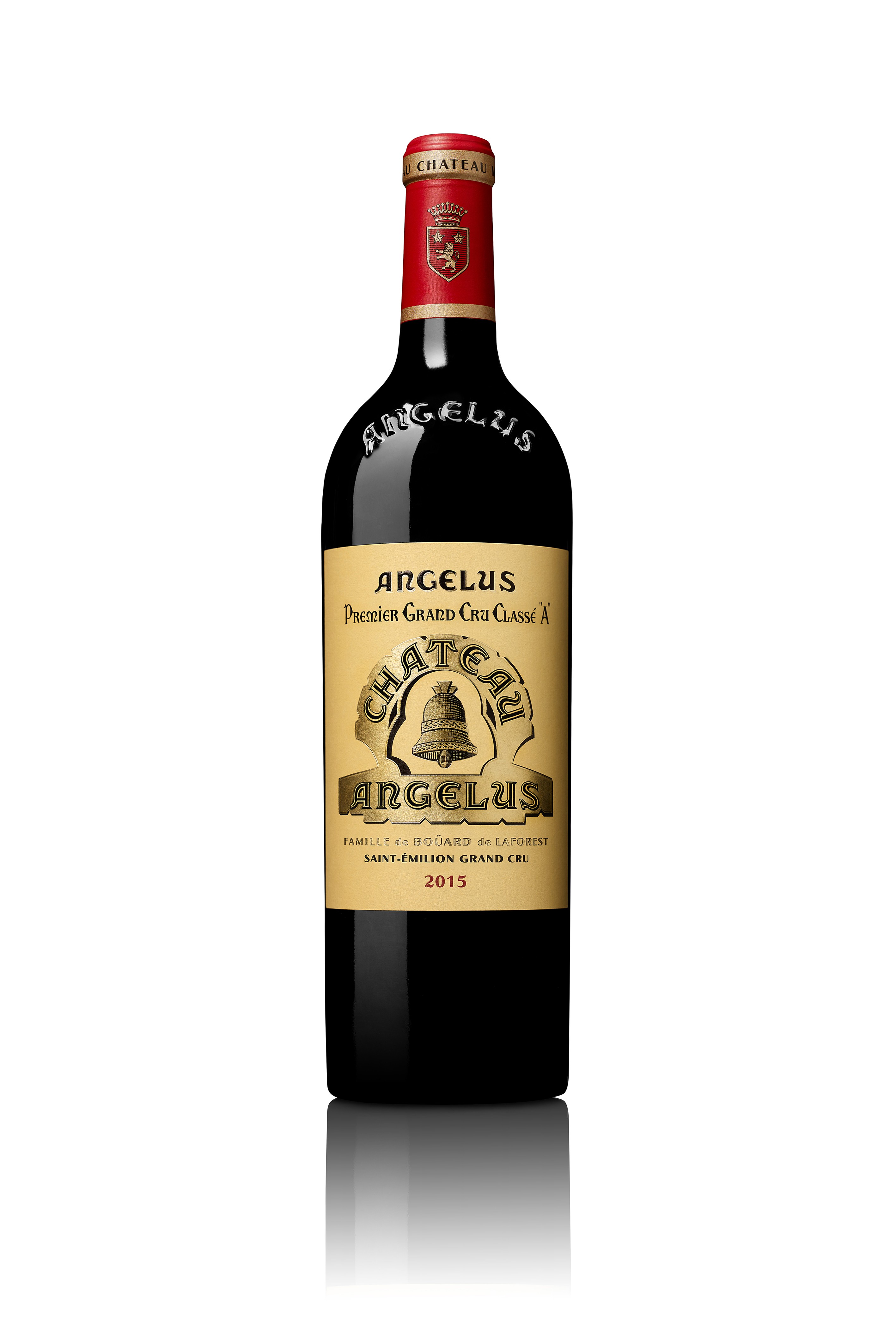
Photo: Somm88, CC BY-SA 4.0, via Wikimedia Commons
A Journey Through Glass
The 750ml bottle is the one and only benchmark — every other size on this site is measured against it. Five to six glasses, one dinner party workhorse, the shape you picture when someone says “wine bottle.” But why 750ml? Nobody knows for sure, and the theories are half the fun.
Theory one: the glassblower’s lungs. In the days of hand-blown glass, 750ml was about the volume a glassblower could shape in a single breath. Plausible, romantic, and oft-repeated.
Theory two: the daily ration. A 750ml bottle was considered a reasonable daily allowance for a working adult in old wine-drinking cultures — the bottle was, in effect, one person’s day.
Theory three: Bordeaux logistics. A 225-litre Bordeaux barrel (barrique) divides neatly into 300 bottles of 750ml — suspiciously neat, which suggests the barrel and the bottle may have standardized each other.
Whatever the origin, the 750ml bottle conquered the world. Bordeaux’s merchants shipped it everywhere, and in the 1970s the European Union formally standardized it — with the US following — making 750ml the legal default for still wine across the globe. It fits the hand, fits the rack, fits the fridge door, and fits the evening: enough for a table, not so much that it demands a crowd.
Fun math: a case is 12 bottles (9 litres), a standard wine glass pour is 5oz (about 150ml), and the average bottle contains roughly 600–800 grapes. You’re welcome at your next dinner party.
Cheat Sheet: Standard Bottle
- Volume: 750ml
- Standard-bottle equivalent: 1 (it is the standard)
- Approx. glasses: 5–6 (5oz pours)
- Standardized: EU, 1970s — the global default
- Best for: everything. It’s the benchmark for a reason.